Source Moisturizing Ginger Essential Oil for Cosmetics, Detergents, and Hair Care
Compare 30 listings of moisturizing ginger essential oil from verified Chinese suppliers. Buyers can evaluate grades, packaging options, and certifications for use in cosmetics, detergents, and hair care products.
Key considerations
Products List


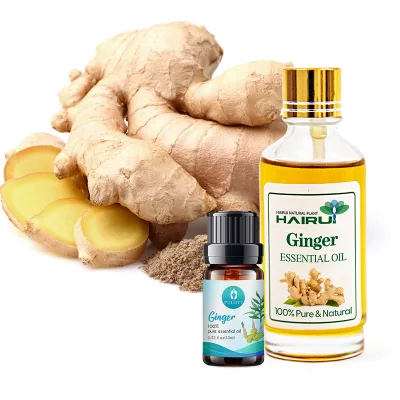
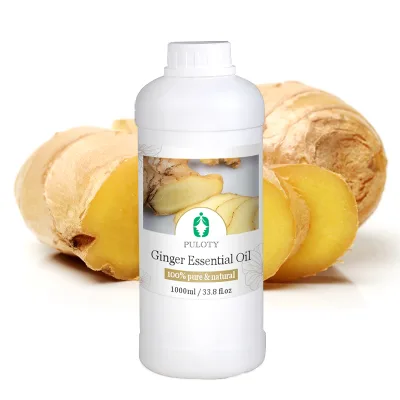


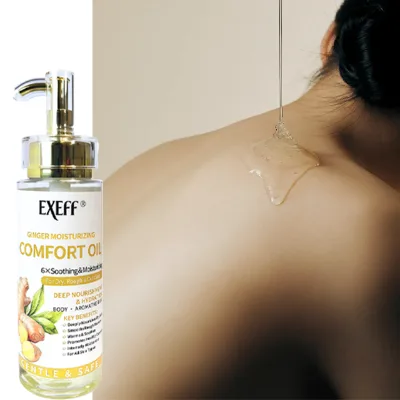
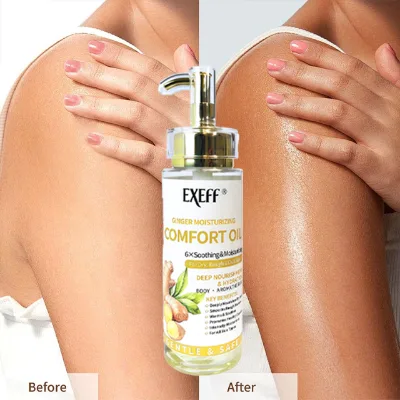




Comprehensive Sourcing Guide
Strategic Sourcing Guide for Moisturizing Ginger Essential Oil
Understanding Product Specifications and Physical Attributes
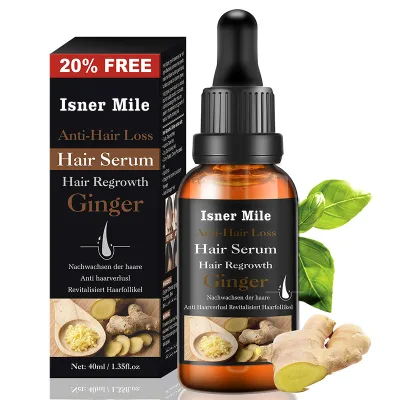
When sourcing moisturizing ginger essential oil, buyers must first distinguish between the various forms of ginger extract available in the global market. The core product is typically identified as a volatile oil derived from the rhizome of the ginger plant. In the current supply landscape, the physical state of the product is consistently observed as a liquid, ranging from a clean, light yellow appearance to a transparent oil liquid. This visual characteristic is a primary indicator of quality, as the oil should generally appear free from sediment or cloudiness, reflecting its purity.
The chemical composition of ginger essential oil is defined by its active bases. High-quality batches are characterized by a significant concentration of gingerol, with some specifications noting that the product contains more than 39% gingerol. Other key constituents include gingerone and various other aromatic compounds that contribute to the oil's signature spicy ginger smell. The odor is a critical sensory attribute; a characteristic, sharp, and spicy aroma is expected, distinguishing it from other plant oils.
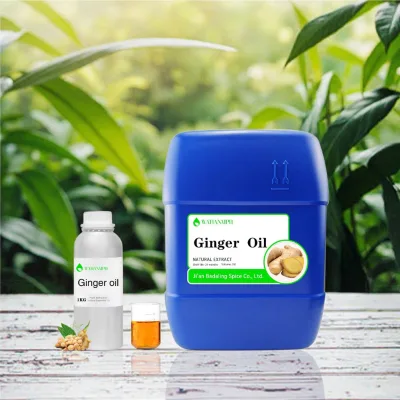
Packaging is a vital specification to consider, as the oil is often supplied in galvanized steel drums to prevent oxidation and contamination. Common packaging configurations include 1kg, 5kg, 10kg, 25kg, and larger industrial drums of 180kg or 200kg. The choice of packaging material is strictly metal-based, ensuring the integrity of the volatile oil during transit and storage. Buyers should verify that the packaging specifications align with their logistical capabilities, as the weight and volume of these drums significantly impact shipping costs and storage requirements.
Compliance, Certification, and Regulatory Standards
Navigating the regulatory landscape is essential for importing ginger essential oil, particularly for use in cosmetics, food, and pharmaceutical applications. The supply chain for this product often involves multiple certification layers to ensure safety and compliance. Common certifications observed in the market include ISO, GMP (Good Manufacturing Practice), and FDA registration. These certifications indicate that the manufacturing facility adheres to specific quality management systems and safety protocols.
For international trade, the presence of a Certificate of Analysis (COA) and a Material Safety Data Sheet (MSDS) is standard. The COA provides detailed test results regarding purity and composition, while the MSDS outlines the handling, storage, and emergency response procedures for the chemical. Additionally, some suppliers provide specific documentation for the CAS number 8007-08-7, which is the unique identifier for ginger oil. Buyers must ensure that the supplier can provide these documents for every batch, as they are required for customs clearance and regulatory compliance in many jurisdictions.
The grade of the oil is another critical compliance factor. The market offers products ranging from Food Grade B to Therapeutic Grade, Cosmetic Grade, and Pure Essential Oil Grade A. The intended application dictates the required grade. For instance, oils intended for oral care or food flavoring must meet stricter food-grade standards, whereas cosmetic applications may prioritize purity and skin compatibility. Buyers should explicitly request the grade specification in the contract to avoid receiving a lower-grade product that does not meet their formulation requirements.
Cost Drivers and Pricing Dynamics
The pricing of ginger essential oil is influenced by a complex interplay of factors, including raw material availability, extraction methods, and packaging requirements. The observed price range in the market is broad, spanning from approximately $0.05 to $1900 per unit, reflecting the diversity of product sizes and grades. Small sample sizes, such as 20ml or 1kg units, often carry a higher unit cost compared to bulk industrial drums.
The cost is also driven by the origin of the raw material. Ginger is primarily sourced from regions like Jiangxi, China, where the climate is favorable for cultivation. The "Natural" source attribute is a key value driver, as synthetic alternatives are generally not classified as true essential oils. The extraction process, which yields a volatile oil from the rhizome, adds to the production cost. Furthermore, the requirement for galvanized steel drums and the logistics of shipping heavy metal containers contribute to the final landed cost.
Buyers should also account for the Minimum Order Quantity (MOQ) when calculating costs. The MOQ can vary significantly, ranging from as low as 1 unit for samples to 3000 units for bulk industrial orders. While smaller orders offer flexibility, they often result in a higher cost per kilogram. Conversely, larger orders leverage economies of scale but require significant upfront capital and storage capacity. The availability of free samples, though the buyer typically covers freight charges, can help mitigate the risk of sourcing without a large initial commitment.
Typical Applications and Functional Uses
Ginger essential oil is a versatile ingredient with a wide range of applications across multiple industries. Its primary use is in the cosmetic sector, where it serves as a key component in skin care formulations. The oil is valued for its ability to soothe skin and provide a moisturizing effect, making it suitable for lotions, creams, and massage oils. Specific functional claims often associated with the product include spa massage, scraping bath treatments, and general skin care benefits.
Beyond cosmetics, the oil is utilized in the detergent and hair care chemical industries. Its spicy aroma and antimicrobial properties make it an effective ingredient for cleansing products and hair treatments. In the oral care sector, ginger oil is used to provide a refreshing sensation and support oral hygiene. The product is also classified as a base oil, indicating its role as a carrier or primary ingredient in various formulations.
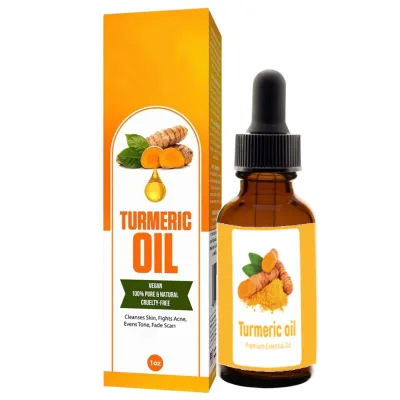
The versatility of the oil extends to its use in aromatherapy and therapeutic applications. The characteristic spicy ginger smell is highly sought after for creating invigorating scents. Buyers should note that the product is often marketed alongside related items such as garlic oil, anise oil, and turmeric oil, suggesting a potential for bundled sourcing or cross-category formulation development. Understanding these diverse applications allows buyers to position the product effectively within their own product lines, whether for personal care, industrial cleaning, or therapeutic wellness.
Supplier Evaluation and Quality Control Protocols
Evaluating suppliers requires a rigorous assessment of their capabilities and adherence to quality standards. Buyers should verify the supplier's origin, with many high-volume producers located in Jiangxi, China. The supplier's ability to provide consistent batches is paramount, as the chemical profile of ginger oil can vary based on the harvest season and processing methods. A reliable supplier will offer customization options, allowing buyers to tailor the product to specific formulation needs.
Quality control is a critical component of the procurement process. Buyers must insist on a comprehensive testing regime that includes verification of the purity, which is often claimed to be 100% pure nature. The presence of specific bases like gingerol and gingerone should be quantified in the test results. Storage methods are also a quality indicator; the product should be stored under normal conditions to maintain its stability and shelf life, which is typically observed to be 24 months.
When selecting a supplier, buyers should review their certification status and the availability of documentation. A supplier that provides MSDS, GMP, and ISO certifications demonstrates a commitment to quality and safety. Additionally, the supplier's ability to provide free samples, even if freight is charged, is a positive indicator of confidence in their product. Buyers should also check for any specific features, such as the ability to cleanse skin irritation, which may be a unique selling point for certain grades of the oil.
Long-Term Procurement and Supply Chain Considerations
Establishing a long-term relationship with a supplier for ginger essential oil requires careful planning and strategic foresight. The shelf life of the product, typically 24 months, dictates inventory management strategies. Buyers must ensure that their storage facilities are capable of maintaining the product's quality over this period. The volatile nature of the oil necessitates proper sealing and temperature control to prevent degradation.
Supply chain resilience is another critical consideration. The reliance on natural raw materials means that supply can be affected by agricultural factors such as weather conditions and crop yields. Buyers should diversify their supplier base to mitigate the risk of disruption. The availability of different packaging options, from small drums to large industrial containers, allows for flexible inventory management.
Finally, buyers should consider the total cost of ownership, including not just the purchase price but also shipping, storage, and potential waste. The ability to customize the product and the availability of related products like turmeric or garlic oil can streamline the supply chain. By focusing on suppliers who offer comprehensive documentation, consistent quality, and flexible packaging, buyers can build a robust and reliable supply chain for their moisturizing ginger essential oil needs.
FAQs
What is the shelf life of moisturizing ginger essential oil?
The shelf life is 24 months under normal storage conditions. This duration applies to the liquid volatile oil derived from the ginger rhizome when kept in galvanized steel drums to prevent oxidation.
Which certifications are available for this ginger oil product?
Common certifications include MSDS, GMP, FDA, ISO, and COA. These documents verify safety, manufacturing quality, and chemical composition for use in cosmetics, detergents, and oral care applications.
Can I get a free sample of the ginger essential oil?
Free samples are available, but the buyer must pay the freight charges. Some listings offer a 20ml free sample, while others provide samples with shipping costs covered by the recipient.
What packaging options exist for bulk ginger oil orders?
Products are packed in galvanized steel drums with weights ranging from 1kg to 200kg. Common configurations include 1kg, 5kg, 10kg, 25kg, 180kg, and 200kg drums depending on the supplier.
How is the purity of the ginger oil defined in the market?
The product is described as 100% pure nature with a grade of Pure Essential Oil Grade A. It contains more than 39% gingerol and other bases like gingerone for therapeutic and cosmetic use.
What is the origin location for this ginger essential oil?
The product originates from Jiangxi, China, where the raw material is sourced naturally. This region provides the ginger rhizome used to extract the light yellow to yellow volatile oil.
Which grades of ginger oil are suitable for food applications?
Food Grade B and Therapeutic grade options are available for various applications. These grades ensure the oil meets safety standards for use in oral care, cosmetics, and detergent raw materials.